
English| EUR
Suggested for you
More currencies
Choose a language
River tubing through tropical rainforest terrain demands clothing that can handle submersion, abrasion, and rapid temperature shifts between water and air. The right outfit protects skin from sun exposure and branch snags while drying fast enough to prevent prolonged chill. This guide covers the fabrics, footwear, and sun protection that experienced river guides recommend for Veragua Rainforest conditions.
Quick answer
Wear a synthetic or nylon swimsuit as your base layer, paired with a quick-dry rash guard or moisture-wicking shirt for sun and scrape protection. Closed-toe water shoes with grip soles are essential—river rocks are slippery and sharp. Add a wide-brim hat secured with a strap, reef-safe sunscreen, and a lightweight waterproof pouch for valuables. Skip cotton entirely; it stays wet and heavy.
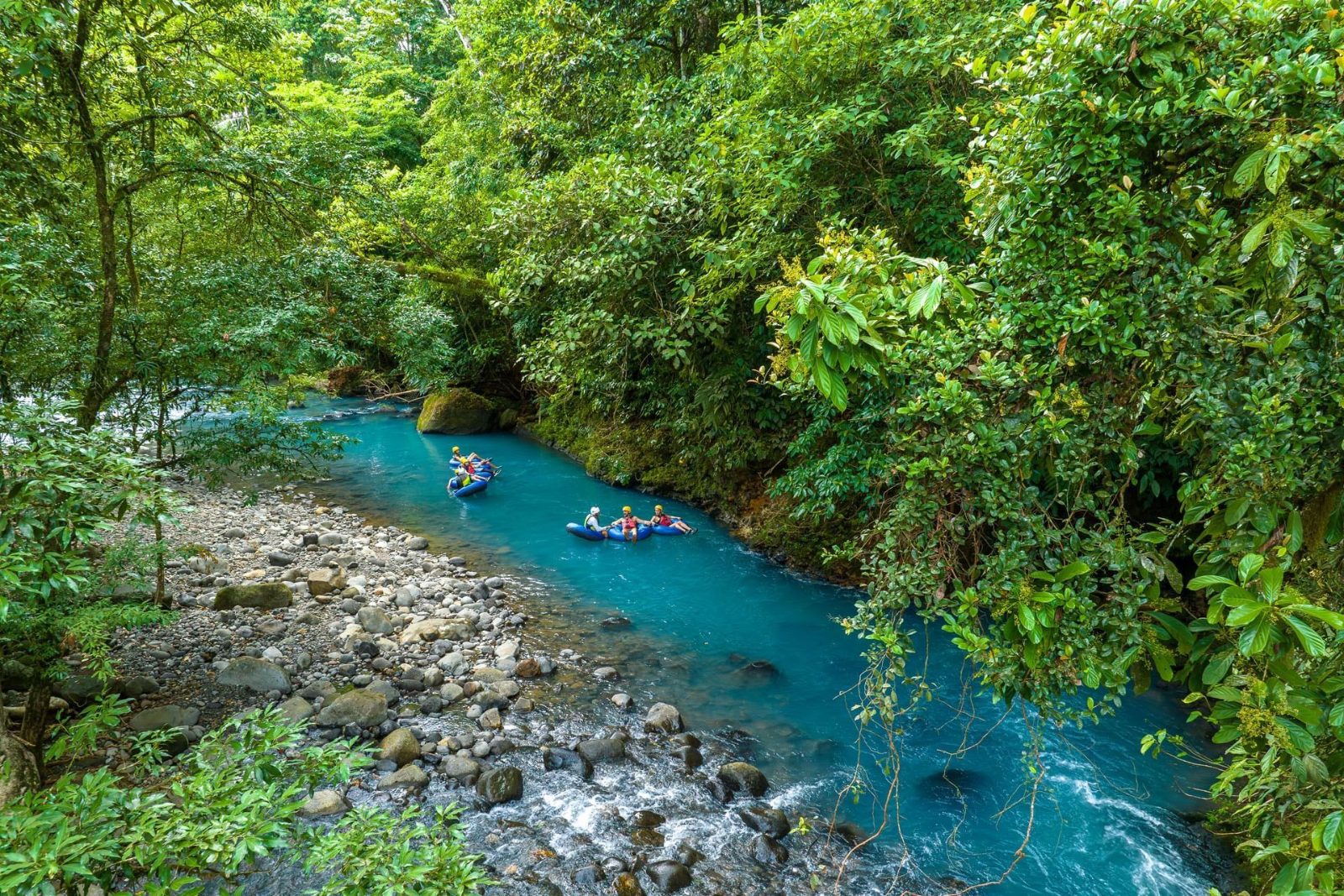
The Veragua River moves through a canopy corridor where water temperature sits fifteen degrees cooler than ambient air, and the current alternates between lazy drift and quick chutes over polished stone. What works for lake swimming fails here. River tubing attire for tropical conditions centers on synthetic fabrics that shed water in minutes rather than hours. A polyester or nylon swimsuit forms the foundation, covered by a long-sleeve rash guard rated UPF 50 or higher. The sleeves guard against both equatorial UV—which intensifies near water—and the overhanging vines and low branches that define rainforest waterways. Some guides recommend lightweight board shorts over swim bottoms for additional thigh coverage during rocky portages. Footwear separates novices from repeat visitors. River sandals with ankle straps slip off in current; flip-flops vanish entirely. Closed-toe water shoes with rubberized tread and drainage ports handle submerged rocks, mud banks, and the occasional scramble over a fallen log. Brands designed for kayaking or canyoneering perform best. The soles should flex but not fold, and the heel counter must lock the foot in place. Neoprene booties work in cooler months but overheat during dry season. Sun protection multiplies on the water. A wide-brim hat made from quick-dry material stays put when cinched under the chin; ball caps provide no neck coverage and blow off. Apply reef-safe mineral sunscreen thirty minutes before departure, focusing on the face, ears, and tops of feet. Polarized sunglasses need a floating retention strap. Pack a dry bag no larger than five liters for phone, identification, and a single layer to pull on after the float. Cotton hoodies and denim absorb their weight in river water and take hours to dry in humid air—leave them at the lodge. The best river tubing outfit choices balance coverage, drainage, and the knowledge that everything you wear will spend half the morning submerged.
“The Veragua River moves through a canopy corridor where water temperature sits fifteen degrees cooler than ambient air, and the current alternates between lazy drift and quick chutes over polished stone.”
Pack light and focus on gear that dries quickly and stays secure in moving water.
The best arrival window is 09:00–12:00, which helps you avoid peak afternoon heat and maximizes your time for guided activities. Arriving during this period allows you to complete your river tubing before the strongest midday sun exposure, which directly influences your choice of sun-protective clothing.
—
Ideal for cooler temperatures and fewer people on the river.
24°C to 30°C
Expect sunny conditions requiring high-coverage, lightweight gear.
22°C to 28°C
Frequent afternoon rain necessitates quick-drying synthetic fabrics.
Verdict: Arrive between 09:00 and 12:00 from Tuesday to Thursday during the shoulder months of April or November for the most balanced conditions.
River tubing safety depends on what stays on your body during the ride. Follow these guidelines to protect yourself and the rainforest ecosystem.
The rainforest facility operates on a consistent weekly schedule, remaining closed on Mondays and open throughout the rest of the week.
Entrance to the park is free, though access is typically included as part of organized tour packages. Visitors should confirm their booking details to determine if park access is covered.
Verdict: A typical adult pays 0 USD for entrance, with total costs depending on the specific tour package selected.
Everything you need to know about what to wear to river tubing
When considering what to wear to river tubing, prioritize quick-drying materials and synthetic fabrics that handle moisture well. Avoid cotton clothing as it stays heavy and wet throughout your jungle experience.
Footwear with secure straps or closed-toe water shoes are highly recommended when planning what to wear to river tubing. These provide necessary protection against rocky riverbeds and help maintain traction on slippery surfaces.
You should avoid carrying loose items, but if you must bring small gear, use a waterproof dry bag. Knowing what to wear to river tubing includes selecting apparel with secure zippered pockets for essentials that must stay dry.
Arrive between 09:00–12:00 to avoid peak afternoon heat and maximize your time for activities. This early window provides the best conditions for outdoor exploration in the rainforest.
There are no strict dress codes, but choosing appropriate gear for what to wear to river tubing ensures comfort during your trek. Dress in lightweight layers that protect you from the sun while allowing for movement.
Entrance is 0 USD as it is free, though park access is typically included in professional tour packages. Always verify if your specific guided package includes these site fees before you arrive.
Rainforest River Tubing From Cairns
Read more GuideIs River Tubing Safe? Everything You Need to Know
Read more GuideCairns River Tubing: Crocodile Facts & Safety
Read more Tickets & toursCairns River Tubing Tours
Read more GuideRiver Tubing Cairns Prices & Booking Info
Read more GuideCairns River Tubing Self Drive Guide
Read more